October 13, 2026
Enriching Lives: Memory-Related Activities for Senior Citizens in Dementia Care
By @elliottsrou285
Business Name: BeeHive Homes of Albuquerque NM - Assisted Living Facility
Address: 6401 Corona Ave NE, Albuquerque, NM 87113
Phone: (505) 221-6400
BeeHive Homes of Albuquerque NM - Assisted Living Facility
BeeHive Village is a premier Albuquerque Assisted Living facility and the perfect transition from an independent living facility or environment. Our Alzheimer care in Albuquerque, NM is designed to be smaller to create a more intimate atmosphere and to provide a family feel while our residents experience exceptional quality care. Memory loss, dementia and Alzheimer's disease are becoming quite pervasive in our society. Dementia care assisted living in Albuquerque NM offers catered memory care services, attention and medication management, often in a secure dementia assisted living in Albuquerque or nursing home setting. We invite you to come and visit our elder care and feel what truly makes us the next best place to home.
6401 Corona Ave NE, Albuquerque, NM 87113
Business Hours
A good activity in dementia care does not feel like therapy. It seems like life. It seems like a familiar tune rising at breakfast, hands busy with a basic task after lunch, the ease of a garden stroll when the afternoon light softens. Done well, memory-related activities support identity, lower distress, and make every day more predictable and pleasant for the person coping with cognitive change. In a devoted memory care home or an assisted living community with a memory program, these moments are not additionals. They are core care.
I have enjoyed a gentleman who had actually not spoken in days sing every word of a swing standard from 1942. I have actually seen a retired instructor cool down when handed a red pencil and a spelling worksheet made just for her, font measured, words picked from her period. Moments like these are not magic. They come from knowing the individual, matching the task to the phase of dementia, and shaping the environment so success is likely.
What memory indicates when memory fades
Memory is not one thing. Short-term recall, long term autobiographical memory, procedural memory, sensory memory, and psychological memory each decrease at various rates in dementia. Short term recall is frequently the earliest to fail, which is why brand-new directions feel slippery. Yet procedural memory, the kind connected to overlearned sequences like folding towels or kneading dough, can remain remarkably strong even into later phases. Emotional memory can outlast facts, which is why a warm encounter can leave somebody content long after the names and details disappear.
This is the doorway to significant activities. If current memory is undependable, anchor to earlier decades. If language is thin, lean on music, rhythm, and touch. If sequencing is hard, deal single-step tasks. If frustration is rising, preserve self-respect by adjusting the environment so success looks and feels natural.
Start with a life story, not a calendar
In memory care, the calendar is there to serve the person, not the other way around. I ask families to assist us develop a one page life story within the first week. Not a novel, simply the basics that form activity options. Cities resided in. Work identity. Faith customs. Favorite foods. Pastimes. Animals. Three tunes with muscle memory. Two routines that constantly mattered, such as checking out the paper each morning or saying grace before meals. A few nots are as useful as the yesses: hates sticky hands, never liked group video games, chooses a window seat.
I like numbers when they help. About half the residents in a typical memory care neighborhood respond strongly to music from their teens and twenties. The ratio is lower for abstract art and higher for low-stakes domestic jobs. If we catch even 5 to ten accurate preferences early, we conserve weeks of trial and error.
Matching activity to the stage of dementia
Early stage locals in assisted living typically preserve conversation, checked out short passages, and follow two to three step instructions. They gain from function and obstacle with guardrails. Moderate phase locals do better with repetition, clear hints, and short bouts. Late phase citizens react most to sensory comfort, rhythm, and one on one presence. These are generalizations, not boxes. Constantly test carefully and enjoy the response.
In early phase dementia care, I arrange activities that feel adult and helpful. Reserve clubs that utilize narratives or newspaper editorials, with chosen paragraphs highlighted to trigger discussion. Image arranging where the resident captions images from their own albums utilizing a fat marker. Light volunteering jobs in-house such as folding dining napkins or assembling welcome packages for new next-door neighbors. The challenge is to prevent infantilizing. Adults with dementia still wish to feel needed.
In moderate phase care, I highlight single steps and success quickly felt. Think of peeling difficult boiled eggs, matching socks from a clean basket, chair yoga with 5 predictable presents, and sing-alongs where the lyrics are printed large and high contrast. Twenty to thirty minutes is frequently the sweet spot for groups. When the task feels solvable from the first touch, locals unwind into it.
In later phases, focus on sensation, rhythm, and accessory. A warm towel placed over the hands before a mild hand massage. A preferred hymn hummed gently with breath paced to theirs. A lap blanket with different textures to touch. A rocking movement in a helpful recliner chair, not for hours, but five to 10 minutes to settle the nervous system. Smiles and sighs here indicate more than words.
The quiet power of routine
Humans prosper on pattern, and dementia magnifies that fact. At a memory care home, I build a daily rhythm with foreseeable anchors every two to three hours. Morning greeting by name and orientation to the day, midmorning motion, unhurried lunch with familiar tableware, an early afternoon calm duration, late afternoon engagement to offset sundowning, and an evening wind down with soft lighting.
Consistency reduces agitation. I evaluated this by tracking event reports for a quarter in one community. On days when our afternoon engagement block slipped or was too revitalizing, exit seeking and yelling increased by a third in between 4 and 6 p.m. When we held a routine with quiet hands-on tasks and familiar music throughout that time, behavior calls dropped noticeably. Not every day, not everyone, but the trend was clear sufficient to respect.
Music, first amongst equals
If I had to choose one modality for dementia care, it would be music. The best song can bypass language barriers and lift state of mind within a minute. Make the playlist personal. For somebody born in 1933, peak musical imprint likely falls between 1948 and 1960. Inquire about very first dance tunes, wedding tunes, marching songs from service days, lullabies sung to kids. Include important tracks for times when lyrics overstimulate.
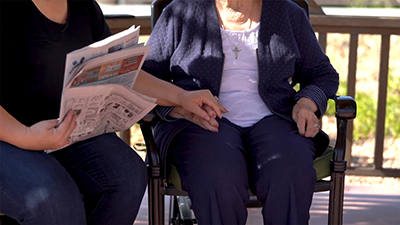
Singing together works even when reading is no longer possible. I keep lyric sheets in 24 point typeface with keywords bolded. For those who matured with hymnals, a real hymnal in hand can be grounding even if the eyes can no longer track the lines. Avoid headphones in groups unless a resident is overwhelmed, then use individualized listening as a reset.
A useful note on volume: aging ears frequently lose high frequency hearing but become more conscious loudness. That paradox implies turning the treble down and keeping the general volume moderate will assist more individuals participate. Expect facial stress, fidgeting, or covering of ears as early indications to adjust.
Scent, touch, and the language beneath words
When memory is fragile, the senses carry significance. Fragrance in particular is effective. The odor of cinnamon can transfer somebody to vacation baking, even if they can not call it. I keep little containers of coffee beans, lavender sachets, orange peels, fresh basil when available. Let citizens smell and react without a test. If somebody states, This smells like my grandmother's deck, that association is the treasure, not the label basil.
Touch requires to be deliberate and respectful. Activities that include warm water invite relaxation: hand soaks before nail care, cleaning plastic tea cups in a tub positioned at the table, rinsing lettuce for a salad. Tactile boxes with leather scraps, velour, smooth stones, and wood beads give hectic hands something to do. Staff should design how to check out without direction, so homeowners feel free to imitate.
The dignity of domestic tasks
A memory care home is still a home. Family jobs can be the most naturally pleasing activities when right-sized. Folding towels is a classic since it taps procedural memory and uses immediate success. To prevent it seeming like busywork, stack the folded towels in a visible spot and thank the individual later on when you recover them to restock. Procedure out dry components into labeled containers so homeowners can put and stir muffin batter without error. Hand someone a little watering can with a tray of succulents to tend. These are not childish tasks. They are the muscles of ordinary living, still within reach.
One resident, a retired mechanic, never ever cared for crafts but would invest forty minutes wiping down hand tools and positioning them back into a foam board with traced shapes. His daughter told me he got back every night with oil on his hands and a contented look. Cleaning tools was not the activity. It was the role.
Reminiscence without interrogation
Reminiscence can construct identity and relieve, but only if it avoids the trap of screening. Do not ask, Do you remember? It sets up failure. Welcome with hints instead. Location a 1960s Sears catalog on the table and browse it together, making observations. Program a picture of a vintage car in the color you know the resident as soon as owned. Ask open prompts like, Looks like an excellent Sunday drive. Where would you take it?
Keep props era-correct. A smartphone slides someone into the present, which can be complicated. A rotary phone or a metal ice cube tray fits the world of their long-term memories. You do not need a museum. A small box with five to ten expressive products works much better than a cluttered room.
One on one versus group energy
Group activities bring social connection and shared momentum. One on one time reaches people assisted living near me who can not track a group or who find crowds difficult. I arrange both on function. In a small memory care household of 12 residents, a morning group might gather 6 to eight people for chair stretches and a sing-along. Early afternoon is prime for one on one: ten to twenty minutes per person rotating through spaces or quiet corners, using tailored jobs or simply presence.
The trick is to avoid leaving the very same 2 people out of groups every day. Rotate functions within a group as well. The resident who will not take part may lead the count or hold the rhythm sticks. If somebody walks during the entire session, produce a route that passes by the group repeatedly so they can dip in and out.
Risk, safety, and dignity can coexist
Activity has to be safe, however overzealous restrictions flatten life. Rather of banning all kitchen area tasks, substitute safe tools. Utilize a blunt plastic knife for soft fruit. Deal a spill-proof electric kettle under supervision. Replace glass mixing bowls with tough plastic. If swallowing is a concern, pick tastings that are smooth and spoonable such as yogurt with a drizzle of honey.
Fall risk rises when people are rushed or the environment is cluttered. Keep courses clear, chairs stable, and walking options apparent. For outdoor time, watch weather condition and hydration. 10 minutes in fresh air improves cravings and mood for many homeowners. Sunhats and cardigans ought to live by the door, simple to grab.
What to enjoy and measure
Activity directors are often asked to prove effect. Anecdotes matter, however numbers assist assign staffing. I track three easy metrics weekly and evaluation trends regular monthly. Initially, participation counts by time block. Second, incidents of distress that require personnel intervention, especially in late afternoon. Third, sleep and hunger notes, typically available in the electronic record.
Correlations are not perfect, however patterns emerge. In one neighborhood, a low-key sensory group at 3 p.m. On weekdays minimized night exit attempts by roughly a quarter. An energetic pre-lunch motion session increased lunch consumption among a number of homeowners with weight loss by 10 to 20 percent over six weeks. You do not require a statistician. You need a clipboard, interest, and willingness to adjust.
A preparation lens that saves time
Use this brief lens when planning or repairing. Compose it on the back of your calendar and train every employee to think this way.
- Who is this for, by name and phase, and what do they care about?
- What is the one action we want to see, not the subject we wish to cover?
- What hints and props make success most likely in the first 30 seconds?
- How will we keep it short, clear, and social without pressure?
- What will we observe later to evaluate if it helped?
Building a memory box the ideal way
An individualized memory box on a resident's wall or shelf does more than embellish. It orients, welcomes conversation, and provides a safe activity during uneasy minutes. Prevent overcrowding. Choose products that can be touched and dealt with without breaking. Concentrate on earlier years that the resident recalls most easily.
- Pick a tough box or shadow frame that opens, with room for 8 to 10 items.
- Choose tactile, safe items tied to identity, such as a service cap reproduction, recipe cards in big print, or a small design of a favorite car.
- Add identified pictures with names in bold print, put at eye level for the resident.
- Rotate items seasonally or when they stop drawing attention, and get rid of anything that triggers distress.
- Involve household in assembly, with a clear note to personnel about any items that ought to not leave the box.
Art, making, and the enjoyment of materials
Art in dementia care is not about the product. It has to do with the act of picking color, moving the brush, and seeing a mark appear. I equip thick-handled brushes, tempera paint blocks, stamp pads, and watercolor pencils. Watercolor on heavy paper is flexible and dries quick. Collage with pre-cut images from duration publications works well when cutting is unsafe. Air drying clay invites pushing and rolling, not sculpting masterpieces.
Some citizens resist anything that appears like kindergarten. Honor that. Swap the paper for unfinished wood boxes to stain and seal, or blank notecards to decorate and later on utilize for thank you notes. A resident who was an accountant may enjoy arranging classic ration discount coupons into neat rows and gluing them down. All of this can be framed later on if the family wishes, however do not assure gallery outcomes. Pledge an hour of settled hands and a sense of agency.
Movement that minds the joints and the brain
Sedentary days result in stiffness, irregularity, and bad sleep. Movement does not require a health club. Chair workouts with a foreseeable arc work well: seated marching, toe taps, wrist circles, shoulder rolls, and mild twists. I like to match each relocation with music that matches the rate. A headscarf in each hand can turn little arm movements into a little theater.
Walking groups keep people much safer than solo wanderings. Usage visible endpoints such as the aquarium in the lobby or the mail box exterior. Install seating every 30 to 40 feet in long passages if you can. If a resident tends to walk purposefully, give them a shipment function: take folded napkins to the dining-room, bring a note to the nurse, escort a plant to the sunny window in the library.
Faith, culture, and the weight of rituals
For lots of older grownups, faith practices form identity as much as family or work. Skipping them can leave a quiet pains. Keep routines brief and familiar. A Sabbath true blessing before Friday supper. A rosary circle with large bead sets that hands can feel. A hymn sing held the very same morning every week. If a resident followed dietary laws, honor them independently if the main cooking area can not. The sensory pattern of ritual, more than the teaching, often brings comfort.
Cultural touchstones matter, too. A polka playlist for a Midwestern group, a Lunar New Year craft for citizens with East Asian heritage, a telenovela hour for Spanish speakers with captions and snacks they remember from home. Language barriers shrink when the beats and flavors are right.
When behavior gets loud, listen for the unmet need
Agitation throughout activities generally signals inequality. The music is too loud, the instructions stack too fast, the group is too crowded, or the job run into a lost ability the resident can not call. Stop, lower stimulation, and use a success. One man appeared throughout a trivia session whenever sports showed up, stomping and yelling wrong! We learned he had actually coached high school baseball. Trivia seemed like efficiency review without control. Offering him the function of scorekeeper with a clipboard and a thick pencil soothed the storm. Power returned, stress and anxiety eased.
Hallucinations or delusions make complex activity time. Do not argue. Validate the sensation and redirect the hands. If someone fears missing a bus, hand them a little bag and request for assistance packing snacks, then sit together by the door and listen for the path while using a warm beverage. The point is not to trick. It is to join their truth enough time to settle the anxious system.
Adapting in assisted living without a dedicated memory unit
Not every neighborhood has a separate memory care wing. In a basic assisted living setting, you can still deliver exceptional dementia care with clever adjustments. Carve out a quiet space that remains without traffic and tvs during activity blocks. Keep go bags stocked with customized activities for one on one sessions in houses: a photo ring with labeled images, a sensory pouch with lavender lotion and a soft fabric, a deck of extra-large playing cards with high contrast.
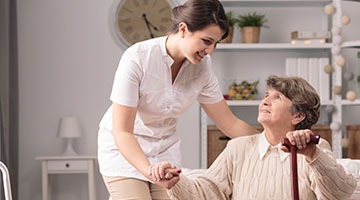

Train all personnel, not simply activity team members, to deploy micro activities. 5 minutes of towel rolling before a shower can decrease resistance. 2 songs after breakfast can reset a tense morning. Walk the person to the dining room with a purpose, not a command: Would you help me set out the salt shakers? The distinction shows up in cooperation rates within days.
Staffing and the realistic day
Activity personnel often carry heavy loads. It helps to think in zones, not just time slots. While one staff member leads a group of six to eight, another floats for one on ones and habits assistance. Turn roles daily to prevent burnout and offer each team member practice with both energies. Watch on the room. If 3 homeowners are disengaged, send the floater to them first with a small, included deal, not a second invite to the primary group.
Supplies matter less than you think. A monthly budget plan under 100 dollars can sustain a dynamic program if you prioritize consumables that get utilized everyday: markers, glue sticks, wipes, printer ink for lyric sheets and photo triggers, and thrift store finds like old cookbooks and fabric examples. Bigger purchases must earn their keep. A digital picture frame loaded with household images near the common space can hold attention for long stretches.
How success feels
You understand a memory-related activity is working when the room grows more simultaneous. People breathe slower, lean in, and mirror each other's motions. Staff voices drop without orders being offered. The resident who paces slows to glance, then remains. The peaceful one hums a bar before the chorus occurs. Cravings improves at the next meal. Nighttime calls decrease. Households state, She appears more like herself.
Not every hour will appear like that. Some days, a storm front rolls in or a brand-new med kicks up restlessness and all your strategies stop working. That becomes part of the work. The ability is not in never ever missing out on. It remains in observing quick and attempting again with humility.
A couple of activities that rarely miss
Over years throughout numerous neighborhoods, particular activities have near universal appeal, adjusted for culture and period. A subtle baking job like banana bread, with residents mashing fruit and stirring batter. A travel slideshow with huge, bright photos and associated snacks, such as Italian images with breadsticks and olive oil. An easy garden table with potting soil, little trowels, and hearty plants. A drumming circle using hand drums and soft mallets, ten minutes of stable beat followed by a slower close. A pet visit with a well skilled dog who will sit with one person at a time. Each of these taps into feeling, rhythm, and purpose more than memory for names and dates.
What to avoid
Trick questions, quick fire instructions, cheap children's crafts, and anything framed as a test will drain trust quickly. Do not announce deficits, even kindly. Skip activities that need waiting turns for more than a minute or more unless the waiting time is filled with something to touch or take a look at. Prevent mixed messages in the room like the tv scrolling news while you try to run a nostalgic poetry hour. Be careful with films that consist of sudden violence or sirens; those noises can activate old injuries or basic agitation.
Bringing all of it together in everyday life
When a memory care home or an assisted living program pulls these threads together, days take on shape. Early morning may begin with a gentle welcoming, a warm fabric for hands, and a preferred march that segues into light stretches. Midmorning, citizens pick between domestic jobs at a kitchen island or a quiet art table. Lunch is calm, with background instrumentals instead of chatter. After a short rest, staff offer individual sensory boxes and visits in spaces. Late afternoon, a small group bakes muffins while another circles up for hymn singing. Early evening welcomes quieter talk, hand massages with lavender, and lights rejected earlier than you think. Households showing up after work discover their individual at ease, engaged without being excessively stimulated.
This is not fancy. It is experienced, constant, and grounded in respect. Memory might fail, however the human below remains. With the best activity at the best minute, you can fulfill that person in today, assist them feel helpful, and sew a couple of more good hours into the day. That is the heart of dementia care, and it is why this work is worth doing well.
BeeHive Homes of Albuquerque NM - Assisted Living Facility provides assisted living care
BeeHive Homes of Albuquerque NM - Assisted Living Facility provides memory care services
BeeHive Homes of Albuquerque NM - Assisted Living Facility provides respite care services
BeeHive Homes of Albuquerque NM - Assisted Living Facility supports assistance with bathing and grooming
BeeHive Homes of Albuquerque NM - Assisted Living Facility offers private bedrooms with private bathrooms
BeeHive Homes of Albuquerque NM - Assisted Living Facility provides medication monitoring and documentation
BeeHive Homes of Albuquerque NM - Assisted Living Facility serves dietitian-approved meals
BeeHive Homes of Albuquerque NM - Assisted Living Facility provides housekeeping services
BeeHive Homes of Albuquerque NM - Assisted Living Facility provides laundry services
BeeHive Homes of Albuquerque NM - Assisted Living Facility offers community dining and social engagement activities
BeeHive Homes of Albuquerque NM - Assisted Living Facility features life enrichment activities
BeeHive Homes of Albuquerque NM - Assisted Living Facility supports personal care assistance during meals and daily routines
BeeHive Homes of Albuquerque NM - Assisted Living Facility promotes frequent physical and mental exercise opportunities
BeeHive Homes of Albuquerque NM - Assisted Living Facility provides a home-like residential environment
BeeHive Homes of Albuquerque NM - Assisted Living Facility creates customized care plans as residents’ needs change
BeeHive Homes of Albuquerque NM - Assisted Living Facility assesses individual resident care needs
BeeHive Homes of Albuquerque NM - Assisted Living Facility accepts private pay and long-term care insurance
BeeHive Homes of Albuquerque NM - Assisted Living Facility assists qualified veterans with Aid and Attendance benefits
BeeHive Homes of Albuquerque NM - Assisted Living Facility encourages meaningful resident-to-staff relationships
BeeHive Homes of Albuquerque NM - Assisted Living Facility delivers compassionate, attentive senior care focused on dignity and comfort
BeeHive Homes of Albuquerque NM - Assisted Living Facility has a phone number of (505) 221-6400
BeeHive Homes of Albuquerque NM - Assisted Living Facility has an address of 6401 Corona Ave NE, Albuquerque, NM 87113
BeeHive Homes of Albuquerque NM - Assisted Living Facility has a website https://beehivehomes.com/locations/albuquerque/
BeeHive Homes of Albuquerque NM - Assisted Living Facility has Google Maps listing https://maps.app.goo.gl/3oqufzNUPNMqK22LA
BeeHive Homes of Albuquerque NM - Assisted Living Facility has Facebook page https://www.facebook.com/BeeHiveHomesAbq
BeeHive Homes of Albuquerque NM - Assisted Living Facility has an YouTube page https://www.youtube.com/channel/UCNFwLedvRtjtXl2l5QCQj3A
BeeHive Homes of Albuquerque NM - Assisted Living Facility won Top Assisted Living Homes 2025
BeeHive Homes of Albuquerque NM - Assisted Living Facility earned Best Customer Service Award 2024
BeeHive Homes of Albuquerque NM - Assisted Living Facility placed 1st for Senior Living Communities 2025
People Also Ask about BeeHive Homes of Albuquerque NM
What is BeeHive Homes of Albuquerque NM Living monthly room rate?
The rate depends on the level of care that is needed. We do a pre-admission evaluation for each resident to determine the level of care needed. The monthly rate is based on this evaluation. There are no hidden costs or fees
Can residents stay in BeeHive Homes until the end of their life?
Usually yes. There are exceptions, such as when there are safety issues with the resident, or they need 24 hour skilled nursing services
Do we have a nurse on staff?
Yes. We have a registered nurse on premise 40 hours/week. In addition, we have an on-call nurse for any after-hours needs
What are BeeHive Homes’ visiting hours?
Visiting hours are adjusted to accommodate the families and the resident’s needs… just not too early or too late
Do we have couple’s rooms available?
Yes, each home has rooms designed to accommodate couples. Please ask about the availability of these rooms
Where is BeeHive Homes of Albuquerque NM located?
BeeHive Homes of Albuquerque NM is conveniently located at 6401 Corona Ave NE, Albuquerque, NM 87113. You can easily find directions on Google Maps or call at (505) 221-6400 Monday through Sunday 9:00am to 5:00pm
How can I contact BeeHive Homes of Albuquerque NM?
You can contact BeeHive Homes of Albuquerque NM - Assisted Living Facility by phone at: (505) 221-6400, visit their website at https://beehivehomes.com/locations/albuquerque/ or connect on social media via Facebook TikTok or YouTube
Residents may take a trip to El Oso Grande Park. El Oso Grande Park provides neighborhood green space that supports assisted living, memory care, senior care, elderly care, and respite care outdoor relaxation.
❧